Big Corn
More connected.
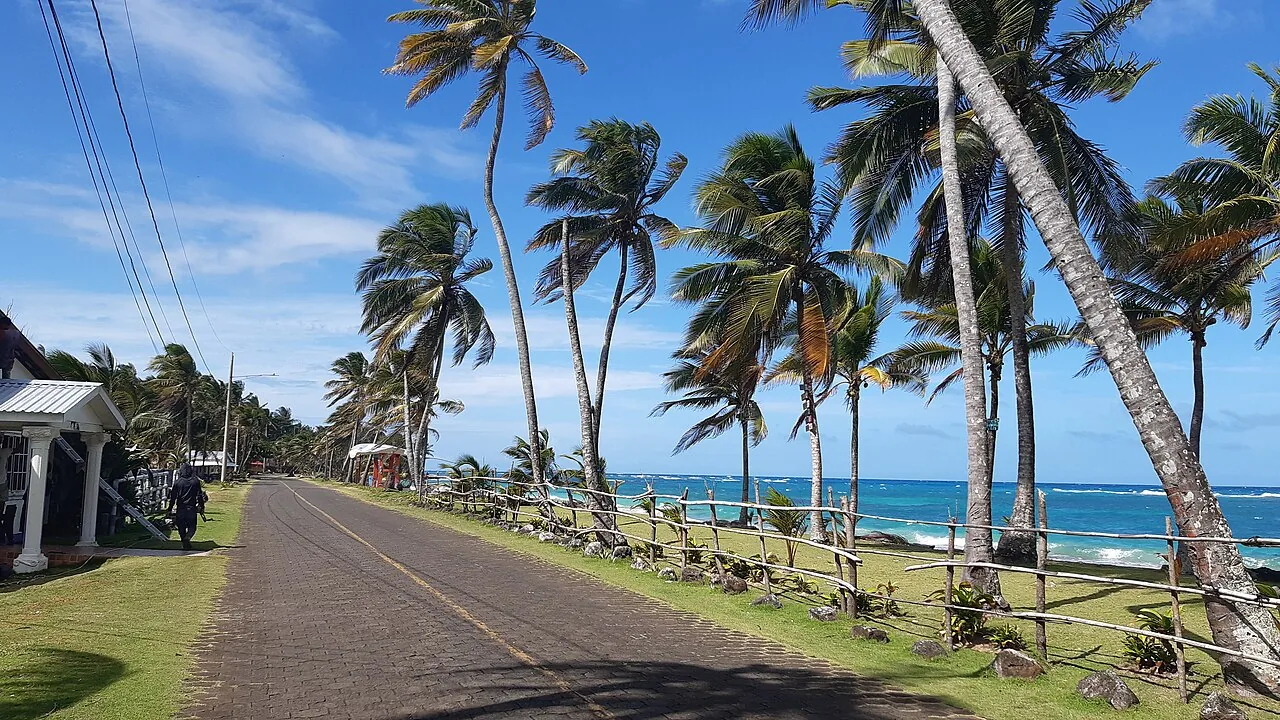
Roads, taxis, an airport, broader beaches and a wider spread of local services make Big Corn the more practical base for longer stays or development.
Explore the Big Corn propertyBefore thinking about owning land here, understand the place itself: turquoise water, coral reefs, Creole culture, seafood, beach days and two islands with very different personalities.
The Corn Islands sit off Nicaragua’s Caribbean coast and are made up of Great Corn (usually called Big Corn) and Little Corn. Nicaragua’s tourism authority highlights their white-sand beaches, turquoise water, reef life and warm climate.
Big Corn is the larger, more connected island. Little Corn is smaller and famously free of motorized vehicles. Together they offer beach life, diving, fishing and a strong Afro-Caribbean Creole identity.
Roads, taxis, an airport, broader beaches and a wider spread of local services make Big Corn the more practical base for longer stays or development.
Explore the Big Corn property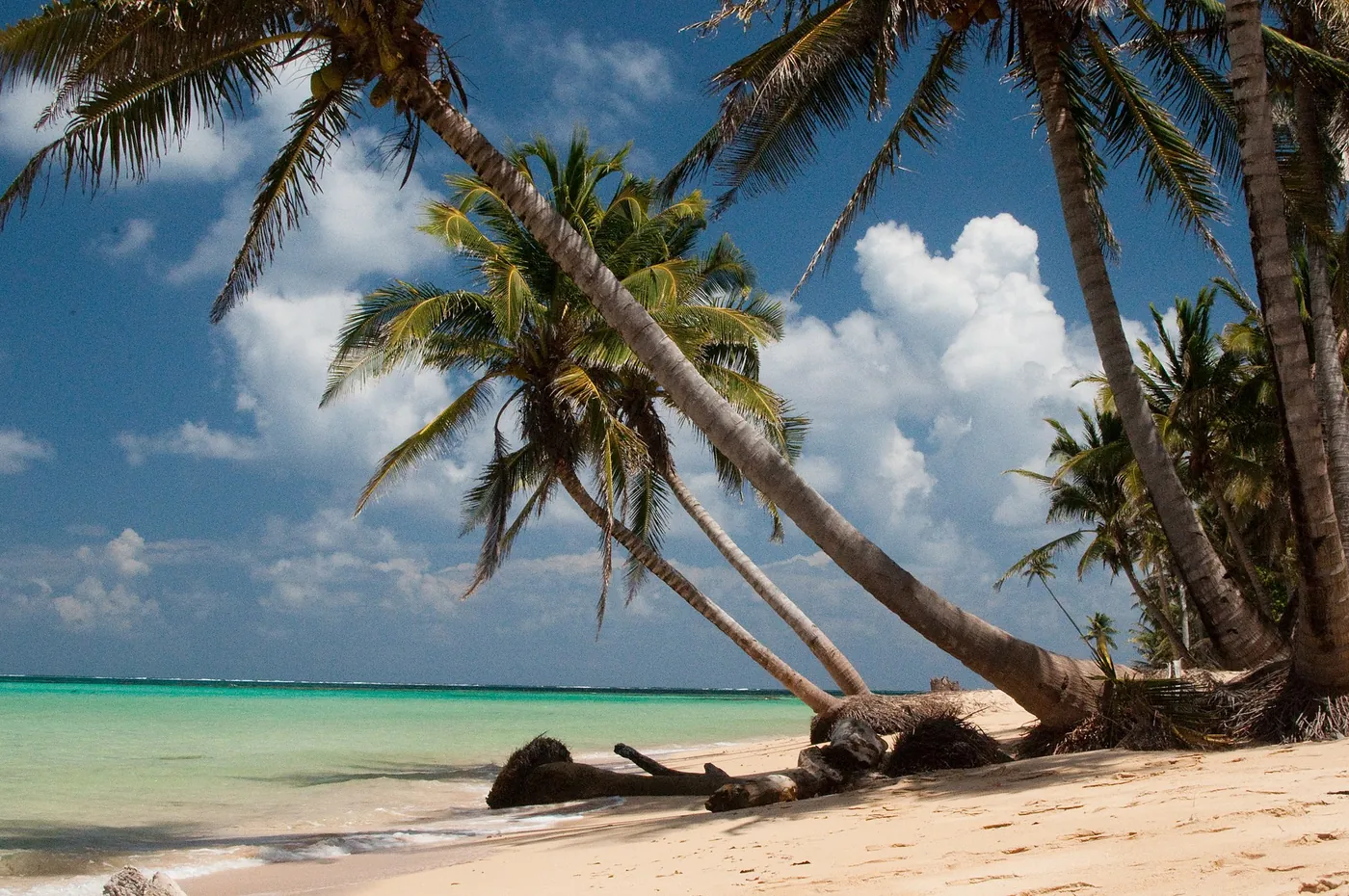
Footpaths instead of roads, no motorized vehicles, small beaches, reef-fringed water and an intimate traveller community create a deliberately slower experience.
Explore the Little Corn propertyThe islands reward people who like simple days: swim, dive, walk, eat, repeat. The reefs and clear Caribbean water are central to the experience.
Reef dives and offshore sites are a major draw. Visit Nicaragua specifically highlights Blowing Rock south of Big Corn for its marine life.
Calm stretches of clear water and reef edges make the sea part of daily life on both islands.
Long Bay, Sally Peachie, North End and South West Bay are among the Big Corn beaches highlighted by Nicaragua tourism sources.
With no motorized vehicles, Little Corn is explored on foot along paths connecting beaches, restaurants and small hotels.
Fishing remains part of local life, while visitors can arrange sea excursions around reefs and neighbouring waters.
Sunset drinks, fresh seafood and low-key nightlife are more the mood than big-resort entertainment.
Part of the appeal is visual simplicity: palms, low-rise buildings, clear water and long stretches where the Caribbean remains the main event.
Seafood, coconut, local produce and casual beachfront dining are woven into island life. Little Corn in particular has a surprisingly varied food scene for such a small island.
A long-running Little Corn hangout serving everything from fish tacos and BBQ to coffee, cocktails and local craft beer, with events and sunset-facing social life.
Little Corn · Café & nightlifeVisit Tranquilo Café →A more refined Little Corn option centred on locally caught seafood, seasonal produce and Afro-Caribbean flavours, plus the Rumboat beach bar.
Little Corn · Resort diningVisit Yemaya Reefs →Located at Little Corn Beach & Bungalow, it is known for seafood, steak and Caribbean-influenced dishes.
Little Corn · Beach diningVisit The Turned Turtle →Browse a local directory of restaurants, cafés and bars across Big Corn and Little Corn Island.
Both islands · Local directoryExplore the directory →The Corn Islands’ culture reflects the wider Caribbean Coast: Creole English, fishing traditions, Afro-Caribbean heritage, music and food.
Nicaragua’s tourism authority notes that the majority population is Creole and that Creole English is widely used, alongside Spanish.
The islands commemorate the declaration of freedom from slavery in 1841. The anniversary remains one of the most important cultural celebrations of the year.
Music, dance, parades, traditional food and crab soup form part of annual Emancipation festivities, with celebrations extending across Big and Little Corn.
Fishing, seafood and tourism remain central to the local economy and the everyday character of the islands.
Big Corn is the transport hub for the islands and has an airport. Travellers commonly connect through Managua; schedules should always be checked close to travel.
Little Corn is reached by boat from Big Corn. Sea conditions can affect journeys, so visitors should build flexibility into their plans.
Once on Little Corn, movement is on foot. That lack of traffic is not an inconvenience to work around — it is part of the island’s identity.
Travel-guide information is based primarily on Nicaragua’s official tourism authority (Visit Nicaragua / INTUR), plus current official websites for Tranquilo Café and Yemaya Reefs. Destination photographs on this page are real Corn Islands images served from Wikimedia Commons and remain subject to their individual licenses. Travel services, businesses and schedules can change; verify current details before travelling.